
BY EMMA PETER
The Nigerian Upstream Petroleum Regulatory Commission (NUPRC) has reaffirmed its commitment to boosting domestic gas supply, strengthening power generation and attracting investments through its ongoing gas commercialisation initiatives.
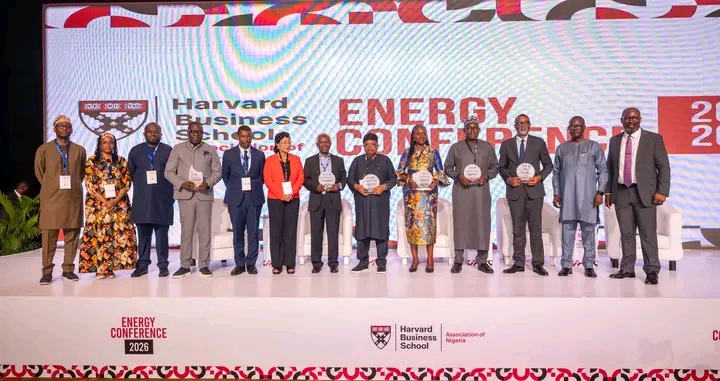
The Commission Chief Executive, Mrs. Oritsemeyiwa Eyesan, disclosed this on Friday in Lagos during an energy conference organised by the Harvard Business School Association of Nigeria, where industry leaders discussed the integration of oil, gas and power for national transformation.
The conference brought together key stakeholders in the energy sector, including the Chief Executive of the Nigerian Midstream and Downstream Petroleum Regulatory Authority (NMDPRA), Mallam Rabiu Umar, and the Minister of Power, Engineer Joseph Tegbe.
Speaking on the critical role of gas in improving electricity generation and driving economic development, the NUPRC highlighted its regulatory interventions to ensure increased availability of gas for domestic consumption.
As part of these efforts, the Commission enforces the Domestic Gas Delivery Obligation to ensure that adequate volumes of gas are supplied to the local market, particularly for power generation and other domestic needs.
The Commission is also collaborating with the Gas Aggregation Company Nigeria Limited (GACN) on a gas swap framework aimed at reducing costs and improving the availability of gas products across the country.
Another major initiative is the Nigerian Gas Flare Commercialisation Programme (NGFCP), through which the Commission has issued Permits to Access Flare Gas (PAFG) to 28 companies.
The first phase of the programme is designed to capture more than 250 million standard cubic feet of gas per day (MMscfd) that would otherwise have been flared, converting the resource into commercially viable products and supporting the country’s energy transition and industrial development.
The programme is projected to attract between $1.5 billion and $2 billion in investments, unlock nearly three gigawatts of power-generation potential and produce approximately 170,000 metric tonnes of liquefied petroleum gas (LPG) annually.
The expected LPG output is particularly significant for expanding access to cleaner cooking energy and reducing households’ dependence on traditional fuels.
Beyond improving domestic energy supply, the programme is also expected to stimulate activities across the oil and gas value chain, including engineering, construction, operations and other support services.
According to the projections, the initiative could generate more than 100,000 direct and indirect jobs, creating employment opportunities while strengthening local industries and contributing to economic growth.
The Commission’s participation in the conference underscores the importance of closer collaboration among regulators, policymakers and industry operators in harnessing Nigeria’s oil and gas resources to address persistent energy challenges.
With gas remaining a critical resource for electricity generation, industrial development and household energy access, the NUPRC’s initiatives are expected to contribute to improved domestic supply, increased investment and broader economic transformation.