BY EMMA PETER, ABUJA
The Nigerian Upstream Petroleum Regulatory Commission (NUPRC) has reaffirmed October 31, 2026, as the deadline for oil and gas licence holders who have failed to develop their allocated assets, warning that undeveloped blocks will be relinquished to the Federation and reassigned to capable operators.
The Commission said the enforcement of the “Drill or Drop” policy, anchored on Section 94 of the Petroleum Industry Act (PIA) 2021, was aimed at ending the practice of leaving petroleum assets idle while strengthening investment, production and accountability in Nigeria’s upstream petroleum sector.
Before the enactment of the PIA, the allocation of oil blocks was largely discretionary, resulting in situations where some companies that lacked the technical and commercial capacity to develop the assets were awarded licences.
According to the Commission, this was among the challenges inherited by the NUPRC when it was established in 2021, prompting the introduction of stricter measures to ensure that petroleum licence holders demonstrate the capacity and commitment to develop their assets within stipulated timelines.
Under the “Drill or Drop” policy, companies awarded petroleum licences are required to commence exploration and development activities within specified periods or surrender their undeveloped acreage to the government.
The Commission disclosed that more than 50 fallow oil and gas fields had been revoked from previous holders who failed to develop them. The affected assets were subsequently made available for reassignment to new operators with the capacity to put them into productive use.
It said the process was conducted transparently, with industry operators and the Nigeria Extractive Industries Transparency Initiative (NEITI), the government agency responsible for promoting transparency and accountability in the extractive industries, attesting to the process.
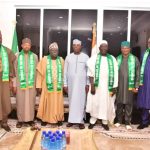
As part of efforts to prevent a recurrence of past failures, the NUPRC has organised an onboarding programme for new awardees of petroleum prospecting licences to equip them with the knowledge and guidance required to develop their newly acquired assets.
About 22 companies are participating in the programme, including major industry players such as TotalEnergies, which secured PPL 2000 and PPL 2001; Sahara Energy, awarded PPL 270 and PPL 271; First E&P, which secured PPL 2003 and PPL 2006; and MRS, awarded PPL 303, alongside other companies entering the sector.
The onboarding initiative is designed to help the new licence holders learn from the experiences of previous operators whose failure to develop allocated assets contributed to the accumulation of dormant petroleum fields.
Beyond regulatory enforcement, the Commission said it was positioning itself as a business enabler by providing new operators with the necessary technical guidance and industry support to accelerate exploration and development.
The NUPRC is targeting a transition from exploration to development within 18 months and expects the newly awarded assets to contribute an additional 250,000 barrels of crude oil per day to Nigeria’s national production within five years.
The Commission said achieving the target would help increase national crude oil output, generate employment opportunities for Nigerians, attract investment and boost government revenue.
The Commission Chief Executive, Mrs. Oritsemeyiwa Eyesan, reiterated the October 31, 2026 deadline, stressing that the “Drill or Drop” provision would be fully enforced against licence holders who failed to develop their assets.
Under the policy, undeveloped blocks will be relinquished to the Federation and made available to operators willing and capable of undertaking the required exploration and development activities.
The onboarding programme is currently in its second day, with NUPRC subject matter experts and experienced industry professionals expected to discuss strategies for accelerating the development of oil and gas assets.
The Commission has encouraged stakeholders and interested members of the public to follow its official social media platforms for updates and live coverage of the programme as part of efforts to promote transparency, strengthen industry participation and support the implementation of Nigeria’s energy reforms.