
By Oyintokoni Joel, Yenagoa
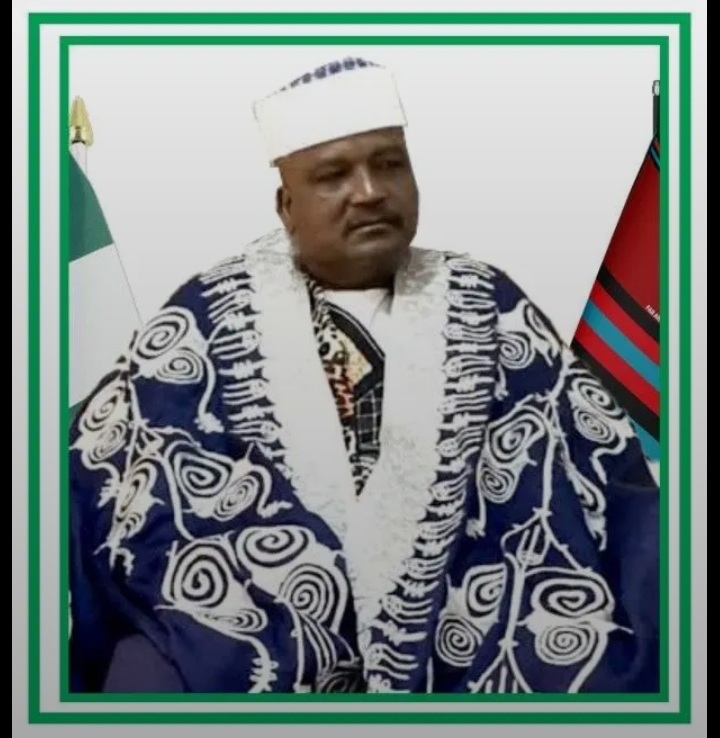
The Publisher and Editor-in-Chief of the Niger Delta Herald Newspapers, Dr. Francis Dufugha, has cautioned journalists and media commentators against allowing press criticism to degenerate into political propaganda.
In a statement issued on Friday, Dr. Dufugha said while the press has the constitutional right and responsibility to question government policies and demand accountability, such criticism must be anchored on facts, evidence and professional ethics.
According to him, public discourse about Bayelsa State must tell the complete story, not a one-sided narrative tailored to suit political interests.
“There is a growing tendency to reduce the development conversation in Bayelsa to what government has allegedly failed to do, while conveniently ignoring major projects either completed, ongoing or already commissioned,” he stated.
He cited major investments reported by the state government in roads and bridges, urban renewal, the 60MW gas-fired independent power project, the Angiama-Oporoma bridge and other infrastructure projects, noting that the 2026 budget allocated 64.6 percent of its total expenditure to capital projects covering works, education, health and sports.
Dr. Dufugha stressed that acknowledging these projects does not place government beyond criticism, but insisted that criticism must be based on the whole picture.
“If there are concerns about the cost of a project, journalists should investigate the contract value, procurement process, funding source, level of completion and expected public benefit. That is journalism,” he said.
The publisher maintained that government must also be ready to provide figures, documents and timelines to justify its claims and accept criticism where it fails, but added that the media must equally uphold its responsibility.
“A journalist is not an opposition politician. A newspaper is not a political party. And criticism is not synonymous with journalism. The credibility of the press is measured by its commitment to facts, balance, verification and the public interest,” he said.
He noted that Bayelsa, given its difficult terrain, limited connectivity and years of infrastructure deficit, requires sustained development and not perpetual political warfare disguised as journalism.
Dr. Dufugha further observed that recent opposition criticisms of the Governor Douye Diri administration have focused on poverty, unemployment and spending priorities, including the proposed stadium project, describing them as legitimate subjects for reporting that should however be presented as political claims and not established facts.
He called on the press to rise above political camps and serve as a bridge between government and the governed.
“We should not be afraid to criticise government. But neither should we be afraid to acknowledge development when the evidence shows it. Bayelsa belongs to all of us. Its development should therefore be bigger than partisan politics,” he added.
He concluded that the duty of the press is to speak truth to power, but truth must remain the standard.