
BY EMMA PETER, ABUJA
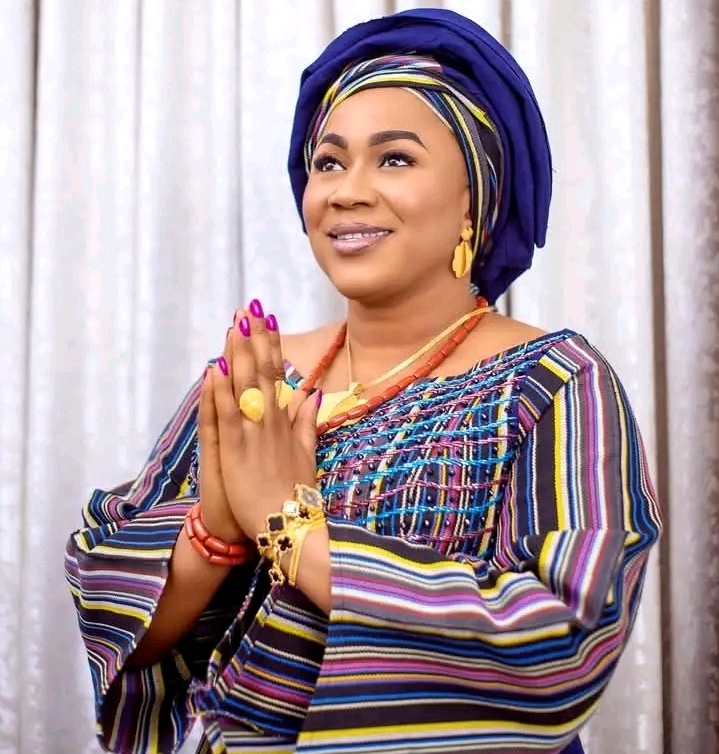
Ambassador Dr. Hadiza M. Umar, Founder of the Hajiya Hadiza Foundation and Chief Executive Officer of Hazdokas Mega City Hospital, has called for greater investment in youth skills acquisition and grassroots empowerment as part of efforts to address unemployment, poverty and the growing challenges facing less-privileged Nigerians.
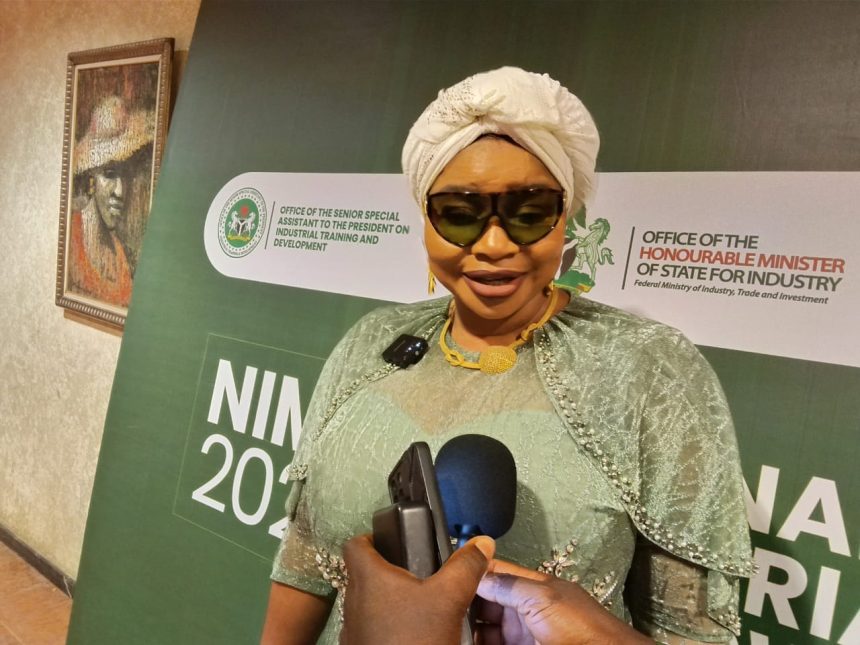
Umar made the call while speaking with journalists on the sidelines of the National Manpower Summit, where she commended the organisers for their efforts towards national development and support for the administration of President Bola Ahmed Tinubu.
Describing the summit as impressive, she said she attended the programme on consecutive days because of her interest in its objectives and her support for the organisers’ efforts.
“As a politician, we are working together as a team, and we are here to support President Bola Ahmed Tinubu for the good work he is doing,” she said.
Addressing the need for Nigerian youths to look beyond white-collar employment, Umar encouraged them to embrace vocational training, skills acquisition and other opportunities that could make them self-reliant and economically productive.
She stressed that practical skills could open up opportunities for young people to earn a living, establish businesses and contribute to the nation’s economic growth.
The foundation’s founder also called on government institutions and relevant stakeholders to support credible non-governmental organisations (NGOs) working to improve the lives of vulnerable people across the country.
According to her, many NGOs are making meaningful contributions to society but need adequate financial and institutional support to expand their activities and reach more beneficiaries.
She explained that supporting organisations with proven commitments to humanitarian service would enable them to provide more opportunities for young people, women and other disadvantaged groups.
Umar disclosed that the Hajiya Hadiza Foundation was scheduled for official launch on November 17, 2026, expressing hope that the initiative would strengthen her efforts to improve the welfare of less-privileged Nigerians.
She said the foundation would focus on making a positive impact in communities by supporting people facing economic hardship and limited access to essential services.
According to her, empowering individuals could create a ripple effect that benefits entire communities, particularly when beneficiaries are equipped with the resources and opportunities needed to improve their circumstances.
“If you touch one community, you have touched the people you empower. If you empower one person, you have empowered a lot of people. It will spread across Nigeria,” she said.
She further drew attention to the difficulties experienced by people in some rural communities, where access to clean water, food, healthcare and other basic necessities remains a challenge.
Umar urged well-meaning Nigerians, government agencies and development partners to pay greater attention to these communities and support interventions that address their immediate needs.
She said her commitment to humanitarian service was driven by the desire to ensure that vulnerable citizens received the assistance they needed to live better lives.
Speaking on healthcare, she highlighted the importance of providing support for people who could not afford essential medical services, noting that access to healthcare remained a major concern for many disadvantaged families.
She added that her involvement in the health sector and humanitarian activities reflected her determination to contribute to the welfare of ordinary Nigerians.
Beyond healthcare and community support, Umar also spoke about her efforts to assist inmates in correctional centres, explaining that she had provided items and supported initiatives aimed at encouraging them to acquire useful skills.
She maintained that vocational training for inmates was important in preparing them for life after their release, enabling them to become productive members of society.
According to her, equipping inmates with practical skills could improve their chances of reintegration and reduce the likelihood of returning to criminal activities.
Umar called for sustained community-based empowerment programmes across the country, urging stakeholders to identify people in need and provide opportunities that would enable them to become self-reliant.
She noted that coordinated efforts in skills acquisition, healthcare support, vocational training and humanitarian assistance could help tackle poverty and improve living conditions, particularly at the grassroots.
The foundation’s founder reaffirmed her commitment to supporting less-privileged Nigerians, stressing that meaningful national development would require collective responsibility and sustained investment in the welfare and potential of the people.