
BY EMMA PETER, ABUJA
Nigeria has intensified its push for a fairer global financial system and increased investment opportunities, presenting a pipeline of 65 bankable projects valued at approximately $78.5 billion at the 2026 Annual Meetings of the International Monetary Fund (IMF) and World Bank Group in Bangkok, Thailand.
The Federal Ministry of Finance disclosed this in a press release dated October 17, 2026, following the conclusion of Nigeria’s participation in the annual meetings, where the country called for stronger international financial cooperation and a shift towards faster, employment-generating economic growth.
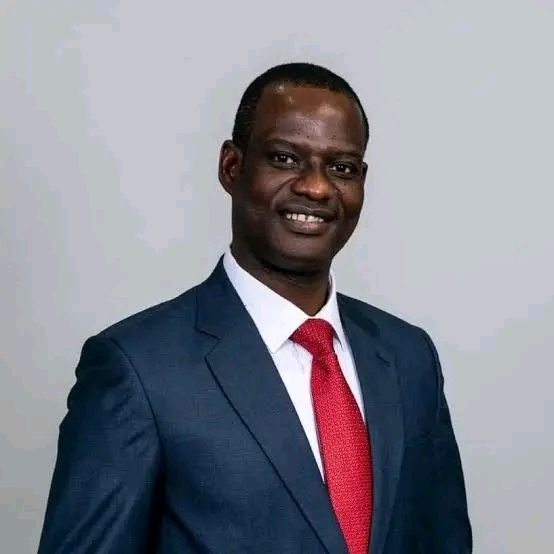
The Nigerian delegation was led by the Minister of Finance and Coordinating Minister of the Economy, Mr. Taiwo Oyedele, alongside the Governor of the Central Bank of Nigeria (CBN), Mr. Olayemi Cardoso.
During the meetings, the delegation highlighted what it described as progress from ongoing economic reforms, including economic growth of approximately 4.4 per cent in the second quarter of 2026, four consecutive months of declining inflation, foreign reserves exceeding $55 billion, a tax-to-GDP ratio of 12.5 per cent and public debt equivalent to 36 per cent of gross domestic product (GDP).
These figures formed part of Nigeria’s case for greater international confidence in its economy and its efforts to attract investments capable of supporting sustainable growth. However, the ultimate test of the reforms will be their ability to translate into lower living costs, improved purchasing power, increased business activity and more employment opportunities for Nigerians.
A major highlight of the country’s participation was the presentation of Projects Nigeria, a pipeline of 65 bankable projects valued at about $78.5 billion, which reportedly attracted expressions of interest from investors in Asia and Europe.
The initiative is expected to provide a platform for connecting Nigeria’s investment opportunities with international capital. Its potential impact, however, will depend on how quickly interested investors commit funds, how effectively the projects are implemented and the extent to which they generate jobs, expand infrastructure and improve economic productivity.
The ministry also disclosed that the World Bank Group expressed support for power and infrastructure development through guarantee instruments, which could help address some of the financial risks associated with large-scale investments.
Nigeria also secured continued technical support from the IMF in areas including fiscal governance, fiscal transparency and statistics. In addition, the Japan International Cooperation Agency (JICA), the United States Treasury and the European Union indicated commitments to deepen cooperation with the country.
These engagements could strengthen Nigeria’s institutional capacity and support its development objectives, although the practical benefits will depend on the implementation of agreed programmes and the delivery of measurable results.
Another important outcome was the conclusion of Nigeria’s chairmanship of the Group of 24 (G-24), during which the country advanced calls for a more equitable global financial system.
According to the ministry, Nigeria advocated a quota-based IMF system, fairer credit ratings and more affordable financing for developing countries.
The position reflects longstanding concerns among developing economies about the cost of borrowing, access to international finance and the influence of advanced economies on global financial institutions. For Nigeria and other emerging markets, access to affordable long-term financing remains important for funding infrastructure, expanding productive capacity and addressing development challenges.
Beyond investment and financial cooperation, the Nigerian delegation also highlighted the need to ensure that technological advancement translates into employment rather than worsening joblessness.
Oyedele warned that artificial intelligence could deliver economic growth without creating sufficient jobs, particularly as millions of young people prepare to enter the global labour market.
Citing World Bank estimates, the minister noted that approximately 1.2 billion young people would enter the global labour market over the next 10 to 15 years, while only about 400 million jobs were expected to be available.
He urged the Bretton Woods institutions to measure economic success not merely by growth figures but also by the number of jobs created.
The warning raises an important question for policymakers: how can Nigeria attract investment, embrace technological innovation and expand economic output while ensuring that young people have access to decent employment?
For Nigeria, the challenge is particularly significant given the need to expand opportunities for its growing population and ensure that economic reforms produce benefits that are widely felt across different sectors and income groups.
The minister maintained that Nigeria’s immediate priority was to consolidate the stability achieved through its ongoing reforms while accelerating growth that creates employment.
“Stability was the first test. Growth that employs our people is the second,” Oyedele said.
He also reaffirmed the government’s position that there would be no return to fuel subsidies or multiple exchange rates, signalling its intention to maintain the direction of its economic reforms.
While the government’s position points to policy continuity, sustaining public confidence will require transparent implementation, effective social protection and tangible improvements in the economic conditions of households and businesses.
The outcome of the Bangkok meetings therefore presents both an opportunity and a responsibility for Nigeria. The $78.5 billion investment pipeline, international cooperation commitments and continued engagement with multilateral institutions could support economic expansion, but their value will ultimately be judged by the projects delivered, businesses strengthened and jobs created.