

By Emma Peter, Abuja
Nigeria’s domestic gas market is set to move towards a more commercially driven framework, with the Nigerian Upstream Regulatory Commission (NUPRC) working to establish clear conditions for the transition to greater willing-buyer, willing-seller transactions.
The move is part of efforts to deepen the maturity of the country’s gas market, strengthen confidence among investors and create an environment where market forces increasingly influence commercial gas transactions.
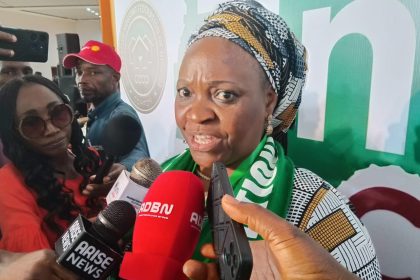
Speaking at the Decade of Gas Market Maturity Workshop, the Chief Executive of the Authority, Mallam Rabiu A. Umar, said the transition would be guided by clear and measurable indicators covering gas supply, market participation, infrastructure access, contract performance, payment discipline, availability of reliable market data and credible price signals.
According to Umar, Nigeria’s gas market has recorded progress in supply, utilisation and infrastructure investment, but continues to face challenges including supply constraints, limited infrastructure access, payment risks and weaknesses in contract performance.
He said addressing these challenges would be critical to creating a market capable of attracting sustained investment and supporting the country’s broader gas development objectives.
Umar stressed that achieving greater market maturity would require coordinated efforts among producers, buyers, infrastructure operators, financial institutions, government and regulatory authorities.
He said the objective was to establish a gas market in which investment responds confidently to demand, infrastructure facilitates efficient transactions, contracts command greater credibility and regulatory intervention gradually reduces as the market becomes more mature.
The NUPRC chief executive noted that the transition would therefore be guided by measurable market conditions rather than simply by policy declarations, with the aim of building a more predictable and commercially sustainable domestic gas market.