
BY EMMA PETER, ABUJA
The Independent National Electoral Commission (INEC) and the ECOWAS Network of Electoral Commissions (ECONEC) have adopted guidelines for the use of Artificial Intelligence (AI) in electoral processes to strengthen electoral integrity and promote credible elections across West Africa.
The guidelines were validated at a two-day meeting in Nigeria attended by electoral officials and information technology experts from across the West African sub-region, ahead of their implementation by electoral management bodies in member countries.
The initiative followed the establishment of a working group at an ECONEC symposium on artificial intelligence and electoral integrity held in Dakar, Senegal, in November 2025.
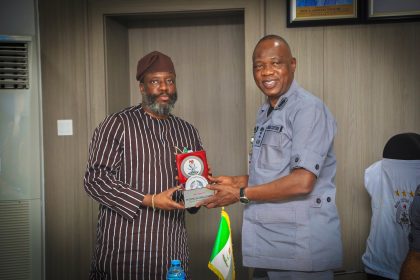
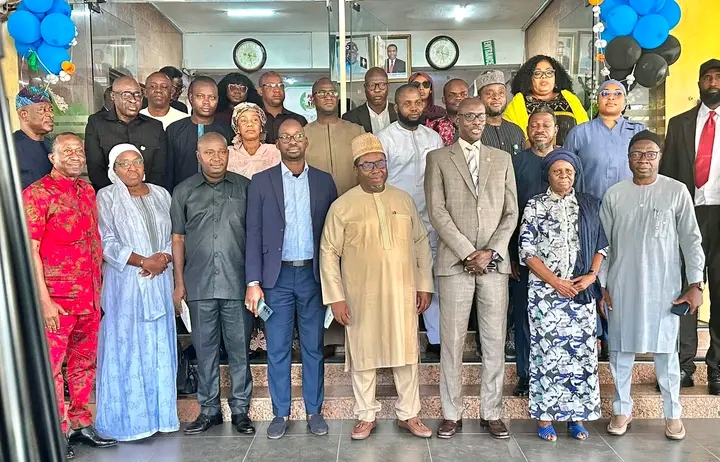
Speaking during a visit by the ECONEC delegation to INEC, the organisation’s Permanent Secretary and Head of the ECOWAS Electoral Assistance Division, Mr. Serigne Ka, said the guidelines were designed to provide a common regional framework for the responsible application of AI in electoral administration.
Ka explained that the working group was established after the Dakar symposium recommended developing guidelines to address the growing influence of artificial intelligence on elections.
According to him, the group held several working sessions and produced a draft document, which was subsequently subjected to validation before its adoption.
“AI is here to stay. There is no way we can do away with AI anymore,” Ka said, emphasising the need for electoral commissions to develop appropriate strategies for managing and deploying the technology within their respective electoral systems.
He said the next phase would focus on implementing the guidelines across the sub-region, with member commissions expected to exchange practical experiences and develop approaches suited to their individual electoral environments.
Ka commended INEC for hosting the delegation, noting that Nigeria’s experience and ongoing work on artificial intelligence presented opportunities for knowledge-sharing and stronger regional cooperation.
In his remarks, INEC Chairman, Professor Joash Amupitan, SAN, stressed the importance of regional collaboration in strengthening electoral institutions and promoting credible elections, particularly as Nigeria prepares for the 2027 General Election.
Amupitan said electoral management bodies across West Africa faced similar legal, institutional, political and operational challenges, including the deployment of electoral technology, results management, voter education, electoral security and dispute resolution.
He described ECONEC as a vital platform for electoral commissions to exchange experiences, address common challenges and develop practical solutions for strengthening democratic governance.
“No electoral commission has a monopoly on knowledge or experience. We all have valuable lessons to share and much to learn from one another,” he said.
The INEC chairman noted that preparations for Nigeria’s 2027 General Election required institutional readiness, legal certainty, transparency and effective coordination among electoral stakeholders.
He said the commission was working to ensure the accuracy and reliability of the voters’ register, timely procurement and testing of electoral materials and technology, and the training of competent and impartial electoral personnel.
Amupitan added that INEC was strengthening engagement with political parties, civil society organisations, the media, security agencies and other stakeholders to address concerns promptly and promote transparent communication throughout the electoral process.
He also emphasised the need to intensify voter and civic education to improve public understanding of electoral procedures, encourage peaceful participation and promote the use of lawful channels for resolving electoral grievances.
Highlighting the importance of regional experience-sharing, the INEC chairman cited the commission’s participation in the ECONEC Post-Election Follow-up and Needs Assessment Mission to Sierra Leone from September 19 to 26, 2026.
According to him, the mission reinforced the connection between electoral reforms and public trust, while highlighting the importance of implementing agreed recommendations to strengthen democratic institutions.
He observed that although stakeholders acknowledged the need to improve Sierra Leone’s electoral framework ahead of its 2028 General Elections, concerns remained over the implementation of recommendations and the level of trust between the government and the main opposition party.
The mission also examined a constitutional question concerning the interpretation of the two-thirds majority required for constitutional amendments in Sierra Leone. The matter had been referred to the country’s Supreme Court for an authoritative interpretation, and the mission refrained from taking a position.
Amupitan said the development demonstrated the importance of constitutional certainty, respect for judicial independence and the timely resolution of legal questions affecting electoral reforms.
Against this backdrop, he called on ECONEC member commissions to deepen cooperation in electoral technology, results transmission, records management, election logistics, risk assessment, personnel training and preventive regulation of political parties to improve compliance and reduce electoral disputes.
He further advocated stronger regional collaboration on voter education, responsible media engagement, combating misinformation, electoral security and inclusive participation, particularly among vulnerable groups.
The INEC chairman also called for the institutionalisation of post-election reviews and follow-up missions to ensure that recommendations were prioritised, implementation monitored and technical assistance directed towards identified needs.
The adoption of the AI guidelines represents a step towards a coordinated regional approach to the opportunities and challenges presented by emerging technologies in electoral administration, as West African democracies seek to strengthen public confidence in elections and protect the integrity of their democratic processes.