

By Emma Peter, Abuja
The Inspector-General of Police, IGP Olatunji Rilwan Disu, has proposed the establishment of an Orange Economy Security and Intellectual Property Coordination Desk within an appropriate structure of the Nigeria Police Force to strengthen the protection of Nigeria’s rapidly expanding creative sector.
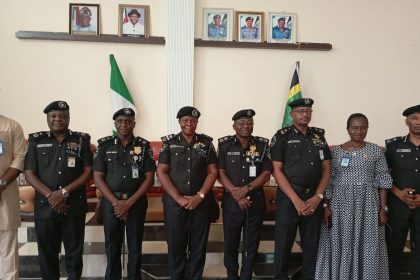
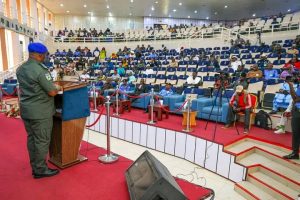
Disu made the proposal on Wednesday, September 16, 2026, while delivering a lecture to participants of Senior Executive Course 48, 2026, at the National Institute for Policy and Strategic Studies (NIPSS), Kuru, Plateau State.
According to a press release by the Force Public Relations Officer, CSP Ani Iniedu, the lecture, titled “The Orange Economy and Entrepreneurship for Sustainable Development in Nigeria: The Role of the Nigeria Police Force,” focused on the connection between security, entrepreneurship and the development of the country’s creative industries.
The IGP identified film, music, fashion, publishing, advertising, digital content, gaming, tourism, heritage and the arts as important components of the orange economy, noting that technology, entrepreneurship and intellectual property increasingly drive activities within the sector.
He said adequate protection of creators, businesses and intellectual assets would enable the creative industries to contribute more significantly to employment generation, investment and national economic development.
As part of efforts to improve policing of crimes affecting the sector, Disu proposed that the coordination desk should facilitate specialised policing, stronger inter-agency cooperation, dedicated channels for reporting related offences and sustained engagement with stakeholders in the creative industry.
He also called for an intelligence-driven and partnership-oriented approach to combating organised piracy, counterfeiting, cyber-enabled fraud and other criminal activities capable of undermining creative businesses.
According to him, financial investigation should also form part of the response where appropriate, particularly in tracing proceeds associated with criminal networks operating through payment accounts, digital wallets, advertising revenues, logistics systems and online distribution platforms.
On intellectual property protection, the IGP advocated closer cooperation between the Nigeria Police Force, the Nigerian Copyright Commission and other relevant agencies.
He further identified the protection of film locations, concerts, festivals, tourism destinations and cultural assets, alongside improved cybercrime response and preservation of digital evidence, as areas requiring greater policing attention.
Disu also underscored the importance of engaging directly with creative communities and stakeholders in developing effective security responses to challenges confronting the industry.
The IGP noted that expanding legitimate opportunities for young Nigerians to convert their talents into lawful employment and income could help reduce their vulnerability to criminal activities.
He warned that piracy, fraud, extortion and related offences could damage businesses, discourage investment and weaken innovation within the creative economy.
Disu stressed that policing the sector must go beyond public safety to also safeguard the rights and conditions necessary for creativity and entrepreneurship to flourish.
He said professional, accountable and rights-respecting policing would be essential to building confidence among creators, investors and other participants in the creative economy.
The Nigeria Police Force, he assured, would continue to collaborate with government institutions, industry stakeholders, creative professionals and communities to strengthen intellectual property protection, secure creative enterprises and support an environment conducive to innovation, investment and legitimate economic activity.