
BY EMMA PETER
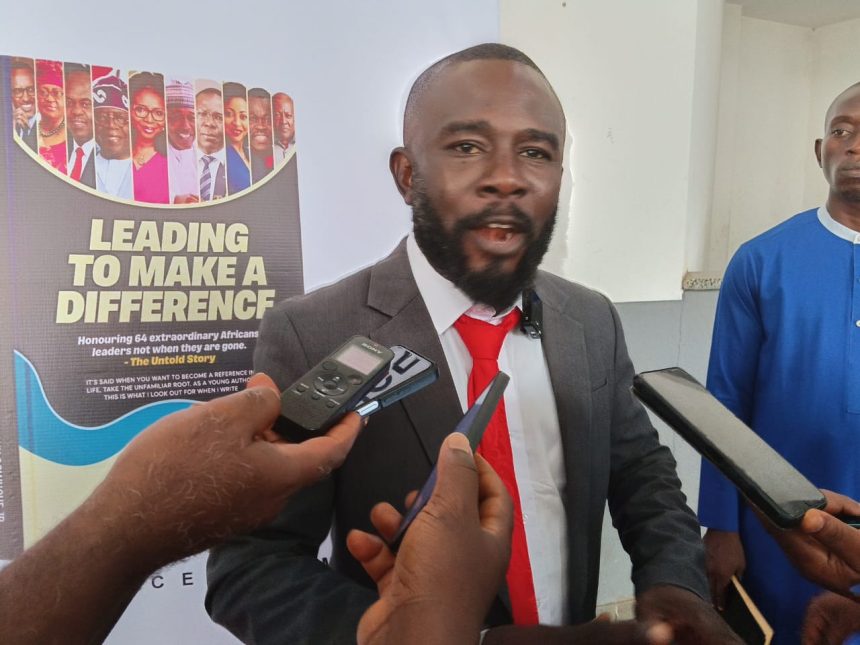
ABUJA — Nigeria should not be described as a failed state because the country has continued to evolve despite the economic and structural challenges confronting it, Ambassador Ayuba Jacob Ngbako, Federal Commissioner representing the Federal Capital Territory (FCT) on the Revenue Mobilisation, Allocation and Fiscal Commission (RMAFC), has said.
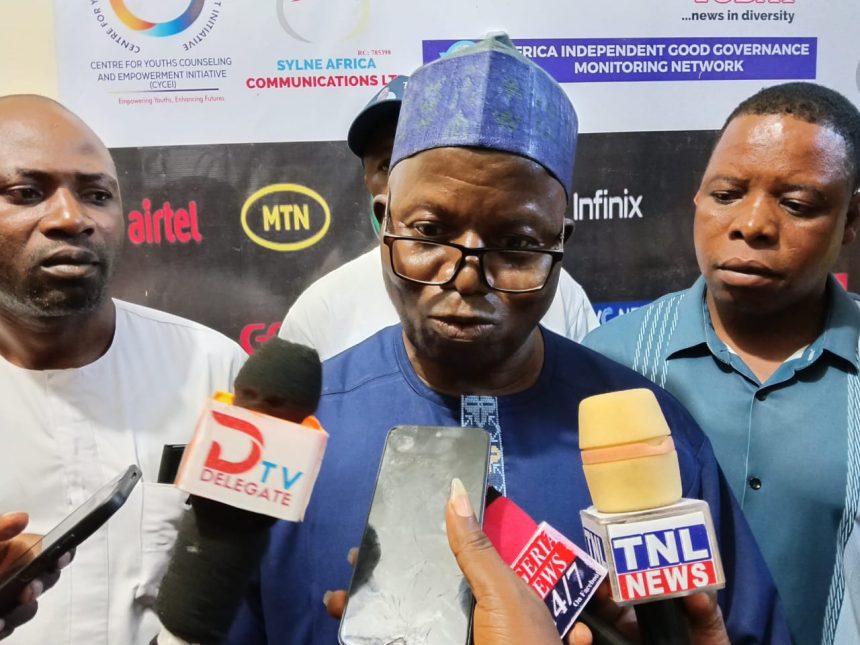
Ngbako stated this while speaking with a group of reporters in Abuja shortly after receiving an award at the “Nigeria @ 66” Independence Day Celebration, organised by Governance Today in collaboration with the Africa Independent Good Governance Monitoring Network.
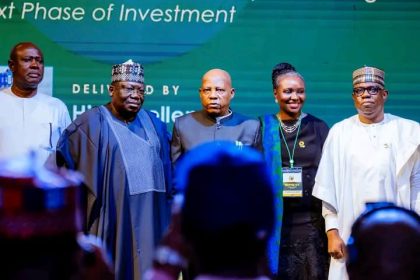
The event, held at the Banquet Hall of the Nigerian National Merit House, Maitama, Abuja, on Wednesday, September 30, 2026, was themed “Reflect, Reassess, Rebuild.” Ngbako was among those honoured at the ceremony.
Speaking on the state of the country, Ngbako said Nigerians must recognise the progress made over the years while acknowledging that much more still needs to be done.
“Anybody who says Nigeria is a failed state is not being sincere,” he said, stressing that the country must learn from its past while building a stronger future.
According to him, every level of government has made efforts to contribute to the country’s development, but the task of nation-building must continue.
Ngbako used the analogy of a building foundation to describe the difficult economic adjustments currently being experienced in the country. He said Nigeria had for decades depended heavily on oil revenues but was now attempting to establish a stronger and more sustainable economic foundation.
He particularly referred to the removal of petrol subsidy, acknowledging the hardship associated with the policy while arguing that difficult measures could form part of a longer-term restructuring process.
He likened the experience to the pains of a woman in labour, saying that although the process is difficult and painful, it ultimately leads to delivery.
“What we are experiencing today by President Tinubu is digging a foundation on rock, and it’s very hard to understand, hard to bear. But we need to do it,” he said.
The RMAFC Federal Commissioner also pointed to changes in the amount of revenue available for distribution to the three tiers of government.
Ngbako recalled that when he joined the Commission in 2023, the amount available for sharing was about N600 billion, saying that the figure had subsequently risen to more than N2 trillion.
“When I joined RMAFC, 2023, June, what Nigeria was sharing was 600 billion, but today we are sharing over two trillion,” he said.
He attributed part of the improvement to efforts to block revenue leakages and strengthen revenue mobilisation across government institutions.
According to him, RMAFC has been working to ensure that revenues due to the federation are properly identified and mobilised, while other government institutions are also making efforts to improve revenue generation.
Ngbako also commended the efforts of institutions under the administration of President Bola Ahmed Tinubu, saying various agencies were contributing to the ongoing efforts to strengthen Nigeria’s revenue base.
He, however, acknowledged that the economic transition has created difficulties for Nigerians, stressing that the current situation requires patience and continued commitment to reforms.
For Ngbako, Nigeria’s development should be viewed as a continuing process rather than judged solely by the difficulties being experienced at a particular moment.
He said the country has the resources and institutional capacity to make progress, but called for sustained efforts at all levels of governance to translate increased revenue into tangible development.
The “Nigeria @ 66” celebration brought together public officials, professionals, governance advocates and other stakeholders to reflect on Nigeria’s journey since independence and discuss the country’s development prospects.
The theme, “Reflect, Reassess, Rebuild,” underscored the need for Nigerians to examine the country’s past, reassess existing approaches and work collectively towards rebuilding stronger institutions and a more prosperous nation.