

BY EMMA PETER, ABUJA
The Independent Corrupt Practices and Other Related Offences Commission (ICPC) has called on heads of tertiary institutions across the country to strengthen institutional accountability, tighten internal controls and eliminate corruption risks to ensure that interventions provided by the Tertiary Education Trust Fund (TETFund) achieve their intended objectives.
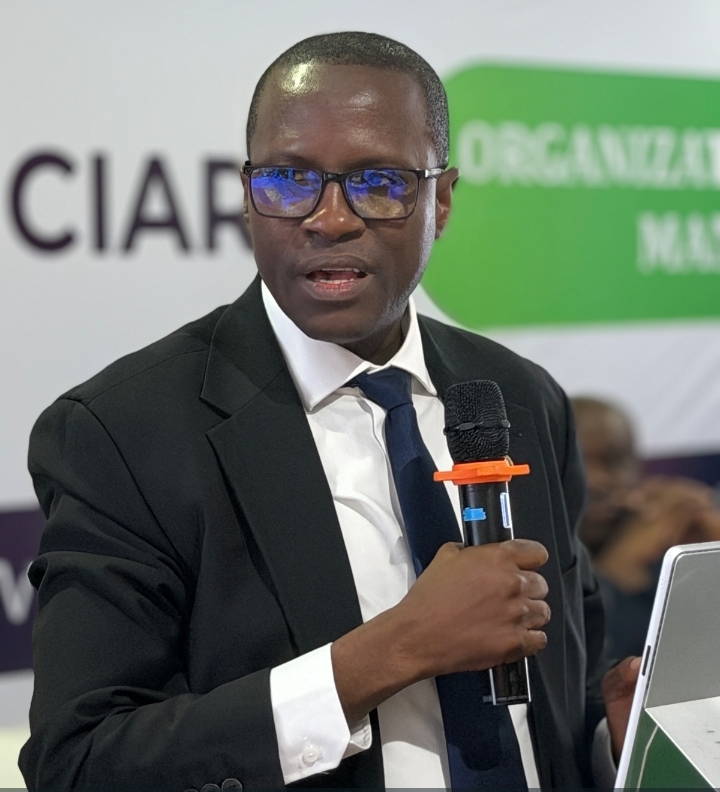
The ICPC Chairman, Dr Musa Adamu Aliyu, SAN, made the call while declaring open a two-day Organisational Integrity Management Capacity-Building Programme for officials of TETFund beneficiary institutions in Abuja.
According to a press statement issued by the Commission’s Head of Media and Public Communications, J. Okor Odey, on Monday, November 2, 2026, the programme was organised by the Anti-Corruption Academy of Nigeria (ACAN), the training and research arm of ICPC, with support from TETFund.
Dr. Aliyu warned that weak procurement procedures, poor project supervision, ineffective internal controls, conflicts of interest and financial mismanagement could undermine investments in the nation’s tertiary education sector.
He stressed that the availability of funds alone was insufficient to guarantee meaningful results, noting that beneficiary institutions must demonstrate transparency, accountability and responsible management of public resources.
The ICPC chairman maintained that integrity must go beyond institutional policies and mission statements to become an integral part of everyday administrative decisions, operational procedures and financial management.
He therefore urged heads of institutions to lead by example through ethical conduct, strict adherence to established procedures and the creation of safe reporting channels that would allow individuals to report misconduct without fear of victimisation.
Dr Aliyu further challenged participating institutions to institutionalise corruption risk assessments, improve record-keeping and documentation, strengthen the separation of official duties, and introduce independent project verification mechanisms.
He also advised them to develop specific integrity measures, appoint responsible officers, establish implementation timelines and adopt measurable indicators to monitor progress.
According to him, the effectiveness of the capacity-building programme should be determined by the practical reforms and improvements introduced by participating institutions rather than attendance or participation alone.

He reaffirmed ICPC’s commitment to preventing corruption through System Study and Review, Corruption Risk Assessment, the Ethics and Integrity Compliance Scorecard and capacity-building initiatives implemented through ACAN.
In his remarks, the Provost of ACAN, Professor Sheriff Ghali Ibrahim, emphasised that promoting integrity in tertiary institutions required the collective commitment of management, academic and non-academic staff, as well as students.
He identified honesty, accountability and fairness as fundamental principles for building public confidence and sustaining ethical standards in the education sector.
Professor Ibrahim urged tertiary institutions to strengthen their collaboration with ICPC in addressing various forms of institutional misconduct, including administrative corruption, embezzlement, examination malpractice, monetisation of marks, sexual harassment and the use of ghost workers.
He commended TETFund for supporting the initiative, describing the programme as an important opportunity to improve governance and strengthen integrity management across beneficiary institutions.
Also speaking, the Executive Secretary of TETFund, Arc. Sonny Echono, PhD, represented by the Director of Human Resources and General Administration, Dr Kolapo Okunlola, said that financial interventions could only produce the desired impact when supported by accountable leadership, effective implementation and strict compliance with established standards.
He urged institutional heads to comply with procurement laws, financial regulations and TETFund guidelines, while taking full responsibility for project execution and outcomes.
Echono also emphasised the need to protect individuals who report misconduct, noting that encouraging whistleblowing was essential to promoting transparency and accountability within public institutions.
He reaffirmed TETFund’s commitment to ensuring that its interventions were managed transparently and responsibly, urging participants to identify institutional weaknesses and apply the knowledge gained from the programme to improve governance in their respective institutions.
The TETFund boss further stressed that the success of the Fund’s interventions should not be measured solely by the amount of money disbursed but by the integrity with which the resources are managed and the tangible improvements they bring to educational infrastructure, research and teaching and learning.
The programme forms part of ongoing efforts by ICPC and TETFund to strengthen institutional integrity, promote responsible resource management and safeguard public investments in Nigeria’s tertiary education system.