
BY EMMA PETER, ABUJA
The Federal Capital Territory Administration (FCTA) has commenced the physical assessment of critical road and water supply projects in Gwagwalada Area Council following a request by the Executive Chairman, Hon. Kasim Mohammed (Wakilin Zuba), for government intervention.
The assessment followed an appeal by Hon. Kasim Mohammed during the recent FCT Minister’s Town Hall Meeting in Gwagwalada, where he presented some of the council’s pressing infrastructure needs, particularly in road construction and water supply.
According to a press statement issued by the Senior Special Assistant on Media and Publicity to the Gwagwalada Area Council Chairman, Muhammad Isah Hassan, on Thursday, November 12, 2026, the Honourable Minister of the FCT, following the Chairman’s appeal, immediately directed the Coordinator of the Satellite Towns Development Department (STDD), Mr. Zilkiflu Abdulkadir, to liaise with the council chairman and ensure the submission of a comprehensive report on the proposed projects for necessary action.
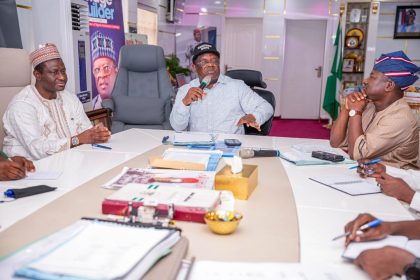
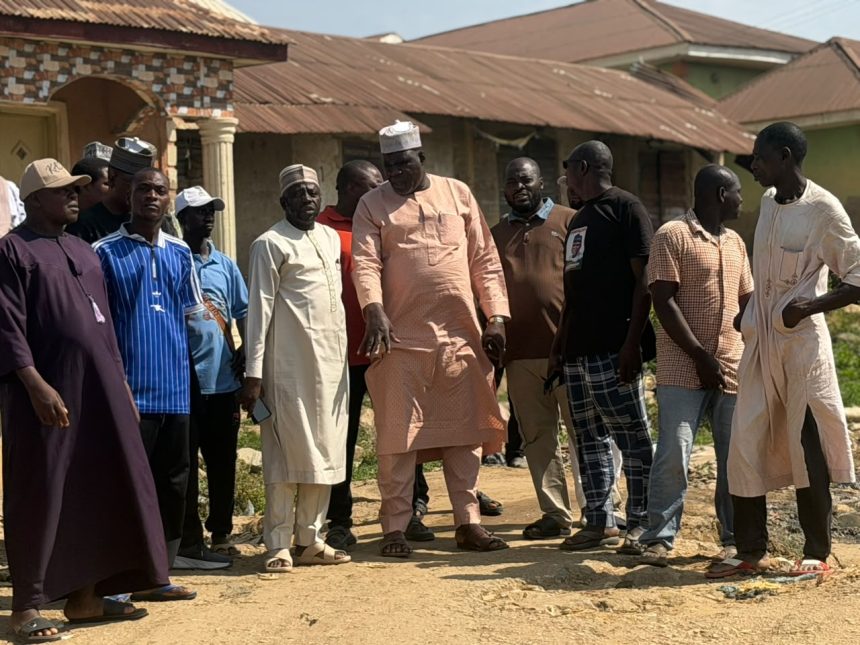
In compliance with the Minister’s directive, the Chairman on Thursday received a team of engineers from the FCTA, led by Engr. Kangiwa, who visited the area council to conduct physical verification of the identified roads and assess possible water supply connections to Zuba, Tungan Maje and Anagada through the FCT Water Board.
The engineering team visited Dukpa Road and Ikwa/Shanagu Road, among other locations, where physical assessments were conducted to determine the nature and scope of intervention required.
The exercise is expected to provide the necessary technical information to guide the FCTA’s consideration of the proposed infrastructure projects and possible interventions.
The Chairman expressed appreciation to the Honourable Minister of the FCT for his prompt response to the council’s request and commitment to addressing the infrastructure challenges confronting residents of Gwagwalada.
He also expressed optimism that the assessment would pave the way for meaningful interventions in the affected communities, particularly in improving road connectivity and access to potable water.