
BY EMMA PETER, ABUJA
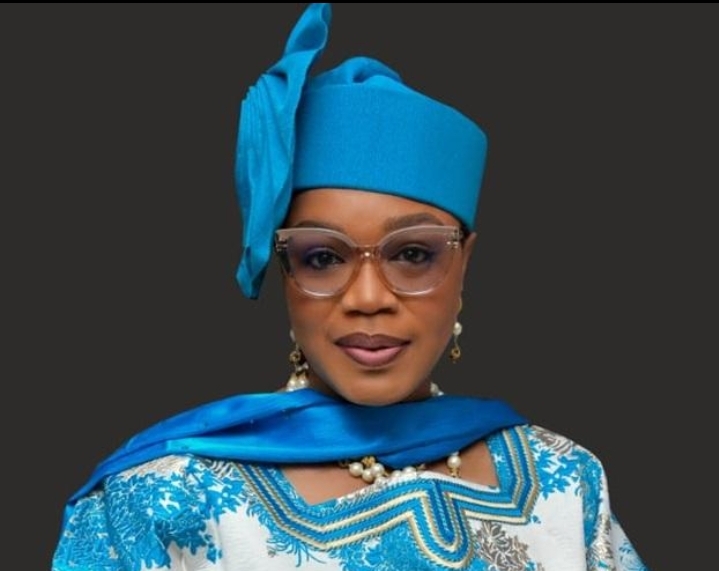
In Nigeria’s evolving political landscape, where grassroots mobilisation, public engagement and the participation of women continue to shape democratic conversations, Hajiya Dr. Farida Deborah Ibrahim is emerging as one of the women whose activities combine humanitarian service, entrepreneurship and political advocacy. Her growing involvement in the movement supporting President Bola Ahmed Tinubu’s re-election bid in 2027 has placed her among the voices championing grassroots participation and the Renewed Hope Agenda.
Born in Borno State, Ibrahim is described in published profiles as a woman whose public engagements revolve around philanthropy, women’s development, community mobilisation and political participation. Beyond her growing political visibility, she is also an entrepreneur and the Chief Executive Officer of Dims Stitches, a fashion and beauty enterprise through which she has built a business identity.
Her journey reflects an intersection of business, humanitarian interests and political commitment, with an emphasis on encouraging women and young people to become active participants in the country’s development process.
Ibrahim’s humanitarian disposition has featured prominently in accounts of her public life. She has been described by associates and published profiles as a philanthropist whose interventions include offering financial assistance, encouragement and support to people in need. Although detailed independent records of the beneficiaries and scale of her interventions remain limited in the public domain, her humanitarian identity has consistently featured in accounts celebrating her contributions to society.
For her, the broader question of women’s development is not limited to political representation but also includes economic independence, access to opportunities and the ability of women to contribute meaningfully to national development.
This philosophy is reflected in her advocacy for women to overcome barriers that limit their participation in leadership and public life. She has encouraged women to recognise their potential, become economically productive and take advantage of opportunities to contribute to their communities.
Her entrepreneurial journey provides another dimension to her profile. As the Chief Executive Officer of Dims Stitches, Ibrahim has established a presence in the fashion and beauty industry. The business, according to published accounts, reflects her interest in enterprise, creativity and the economic empowerment of women.
Through entrepreneurship, she represents the growing number of Nigerian women seeking to combine business ownership with community engagement and participation in public affairs. Her business activities also provide a platform for encouraging women to pursue self-reliance and develop their economic capacities.
Politically, Ibrahim’s involvement in the support movement for President Bola Ahmed Tinubu predates the current preparations for the 2027 general elections. A 2025 profile published by Blueprint Newspapers described her as a supporter of the Emilokan movement and an advocate of the Renewed Hope political agenda.
Her political involvement has increasingly taken the form of mobilisation, advocacy and public engagement rather than an elective political career. She has used her public engagements to encourage citizens, particularly women and young people, to participate in the democratic process, obtain their Permanent Voter Cards and make informed electoral choices.
In March 2026, her involvement in the Relax Tinubu Is Fixing Nigeria (RTIFN) initiative featured in a Vanguard report on the organisation’s empowerment activities in the Federal Capital Territory. At the programme, Ibrahim, identified as a National Director of the movement, encouraged women and young people to participate actively in politics and obtain their PVCs.
The development highlighted an important aspect of her political philosophy: that electoral participation should not be left exclusively to established political actors, but should involve ordinary citizens, especially women and young people at the grassroots.
Her responsibilities within RTIFN have subsequently expanded into town hall engagement and grassroots political mobilisation. She has been identified in various media reports as National Director of Town Hall and Special Duties, and National Director of Town Hall and Public Engagement.
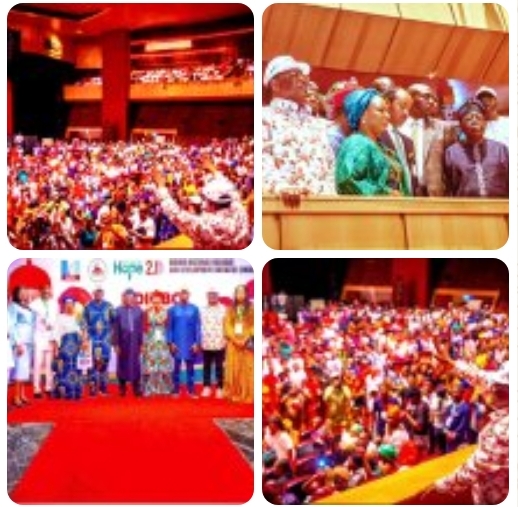
In August 2026, Ibrahim participated in the movement’s South-East regional town hall meeting held at the International Convention Centre in Awka, Anambra State. The gathering brought together political stakeholders, community representatives and grassroots mobilisers from the five South-East states.
Representing the movement’s leadership, she highlighted issues relating to infrastructure development, security, regional stability, education through the Nigerian Education Loan Fund (NELFUND), and federal partnerships aimed at strengthening economic activities in the region. She also called on grassroots mobilisers to intensify efforts towards securing support for the All Progressives Congress ahead of the 2027 general elections.
Her involvement in the regional engagement demonstrated the strategic importance of public communication in political mobilisation, particularly in areas where political support requires sustained engagement, dialogue and confidence-building.
Beyond the South-East, Ibrahim has also been involved in RTIFN’s community-based activities. During a September 2026 engagement in Gishiri, Abuja, the movement brought together farmers, traders, students, youths and community stakeholders for discussions on government policies and development programmes. The initiative included the distribution of grants to selected beneficiaries.
The programme reflected the movement’s approach of combining political sensitisation with community engagement and empowerment interventions, providing an opportunity to communicate government policies while addressing some immediate economic concerns of residents.
Her political activities have also taken her to Plateau State, where she participated in the All Progressives Congress rally in Jos. Speaking with journalists during the event, she expressed satisfaction with the turnout and reception accorded the delegation.
She urged eligible Nigerians, particularly residents of Plateau State, to participate in the 2027 elections, describing the presidential election as an opportunity for citizens to determine whether the Renewed Hope Agenda should continue.
She also emphasised the importance of women in the electoral process, noting that the movement had been taking its engagement activities to communities, villages and grassroots constituencies to encourage women, promote economic empowerment and create awareness about government programmes, including NELFUND.
Her message has consistently centred on the need to connect political advocacy with practical information about opportunities available to citizens. By combining voter mobilisation with discussions about education, infrastructure, entrepreneurship and economic participation, she has sought to make political engagement more relevant to everyday concerns.
As preparations for the 2027 general elections gather momentum, Ibrahim’s role within RTIFN places her in an important position in the organisation’s town hall and public engagement structure. Her responsibilities involve taking the movement’s message to communities, engaging stakeholders and encouraging grassroots participation in the political process.
Although RTIFN operates as a pro-Tinubu advocacy and mobilisation organisation, rather than the formal APC Presidential Campaign Council, its activities complement the wider political mobilisation efforts surrounding the President’s re-election ambition.
For Ibrahim, the challenge ahead will be sustaining public engagement, strengthening the participation of women and young people, and ensuring that grassroots mobilisation goes beyond political slogans to meaningful conversations about governance and development.
Her story also raises a broader question about the place of women in Nigeria’s political future. Women are not merely voters to be courted during election seasons; they are organisers, entrepreneurs, advocates, community leaders and participants whose contributions can influence political outcomes.
From her roots in Borno State to her entrepreneurial activities and growing responsibilities in a nationwide political advocacy movement, Farida Deborah Ibrahim represents a blend of enterprise, humanitarian interest and political commitment.
As the country approaches another decisive electoral cycle, her continued involvement in grassroots mobilisation will provide an opportunity to demonstrate how women can contribute to political organisation, public enlightenment and community development.
Ultimately, the significance of her journey will not be measured solely by the political positions she occupies or the campaigns she supports, but also by the tangible difference her humanitarian engagements, empowerment advocacy and community activities make in the lives of ordinary Nigerians
writes Editor Oxford Reporters in Abuja. Email: oxfordreporters52@gmail.com/ 08133940546.