
BY EMMA PETER, ABUJA
The Nigerian Upstream Petroleum Regulatory Commission (NUPRC) has called on oil and gas operators to intensify exploration activities across Nigeria’s underdeveloped sedimentary basins, describing them as critical to expanding the country’s hydrocarbon reserves and achieving its three-million-barrel-per-day production target by 2030.
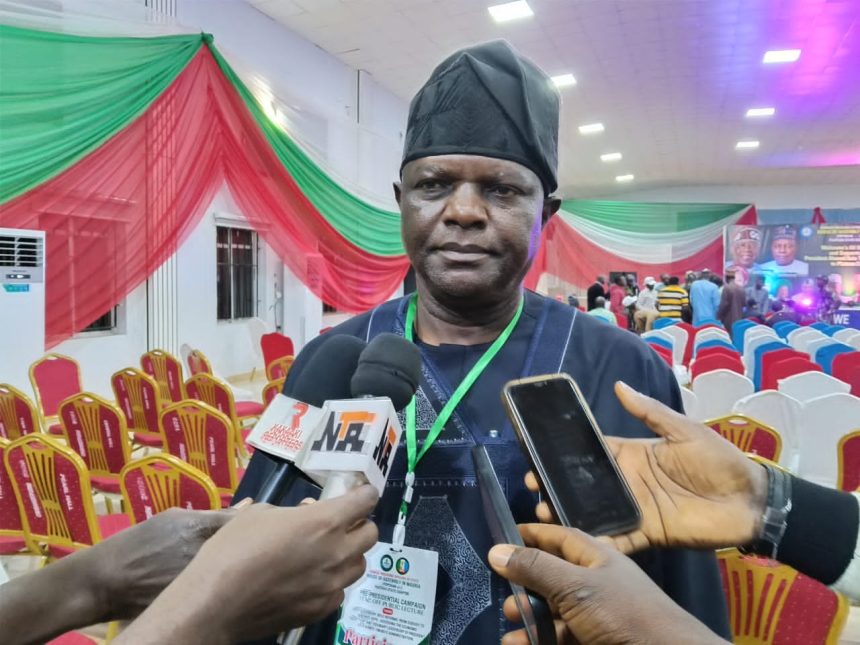
The Commission Chief Executive (CCE), Mrs Oritsemeyiwa Eyesan, made the call on Monday during her goodwill message at the opening of the 44th Annual International Conference and Exhibition of the Nigerian Association of Petroleum Explorationists (NAPE) in Lagos.
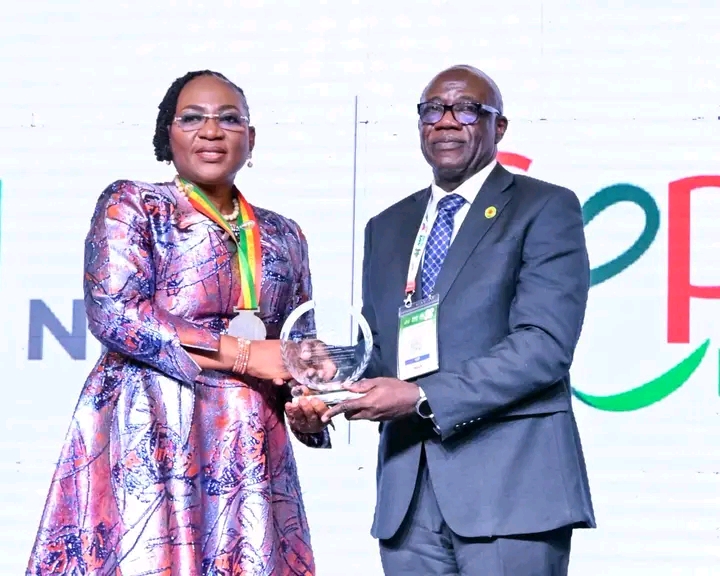
Eyesan, who was represented by the Executive Commissioner, Development and Production, Engr. Enorense Amadasu, stressed that Nigeria must renew its commitment to exploration, technological advancement and indigenous technical capacity to unlock additional oil and gas resources.
Speaking on the conference theme, ‘Unlocking More Barrels: Driving Reserves Growth through Exploration, Local Capabilities, & Adaptive Technology,’ she maintained that achieving sustainable production growth would require deliberate efforts to discover new resources while maximising the potential of existing assets.
The NUPRC chief identified the 2026 Licensing Round as a significant opportunity to attract fresh investments, expand exploration activities and open up new frontiers in Nigeria’s upstream petroleum sector.
She explained that the Commission was maintaining an investment-friendly acreage allocation framework to encourage credible investors to explore frontier and underexplored areas, with a view to broadening the country’s hydrocarbon resource base.
Eyesan also challenged industry players to embrace emerging technologies and innovative exploration techniques, including artificial intelligence, seismic data reprocessing, advanced data analytics and near-field exploration, to improve subsurface understanding and identify previously overlooked hydrocarbon prospects.
According to her, the deployment of these technologies would not only support new discoveries but also enhance recovery from mature fields, strengthen operational efficiency and improve the overall performance of Nigeria’s upstream petroleum industry.
She further underscored the importance of developing local expertise and strengthening professional capacity, reaffirming the Commission’s readiness to deepen its collaboration with NAPE through mentoring initiatives, student chapters and other technical knowledge-sharing programmes.
The CCE noted that building a strong pool of indigenous professionals remained essential to sustaining exploration activities, improving technical competence and ensuring that Nigerian expertise played a leading role in the country’s petroleum industry.
She also highlighted the fiscal incentives introduced for deep offshore and gas developments, saying they provide an enabling investment climate for technically viable exploration opportunities to attract funding and progress into commercially sustainable projects.
Eyesan urged stakeholders to take advantage of the available regulatory and investment opportunities, stressing that increased exploration, technological innovation and reserves replacement would be central to securing Nigeria’s long-term energy future.
She maintained that the country’s ambition of reaching three million barrels of oil production per day by 2030 would depend significantly on the industry’s ability to convert untapped geological potential into commercially viable discoveries.