
By Oxford Reporters
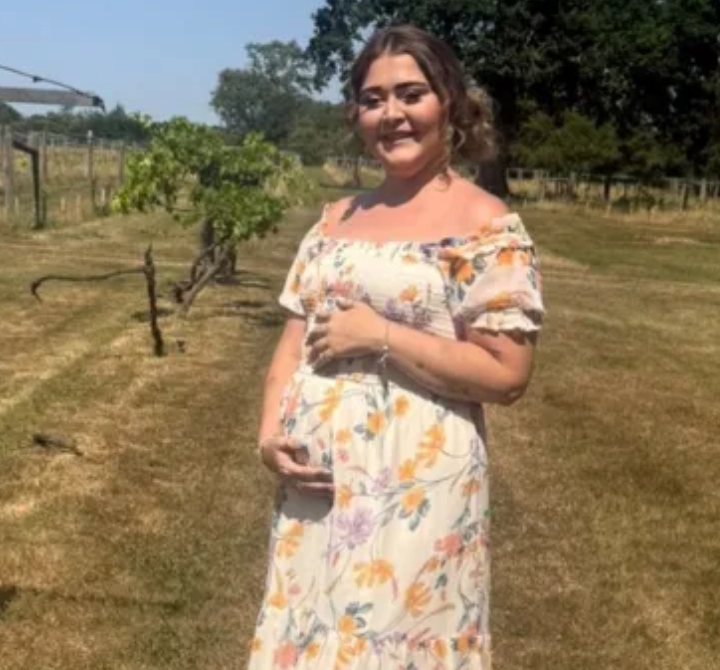
A 28-year-old British woman who received a life-saving liver and kidney transplant as a child has become pregnant years after doctors told her family she was unlikely to have children.
According to the BBC, Keeleigh John, from Bridgwater in Somerset, underwent the double organ transplant at the age of 12 after being diagnosed with chronic renal failure.
John said her pregnancy would not have been possible without the decision by her donor’s family to allow the organs of their loved one to be donated at what she described as probably “the most difficult time in their life.”
She discovered she was pregnant on the day she returned home from hospital after recovering from four bouts of sepsis earlier this year.
“We’re at the 14-week point now. Baby looks healthy, I’m doing really well,” John told the BBC.
She said medical tests had shown that her baby was healthy and that doctors had told her it was almost impossible for her medical condition to be transferred to the child.
John’s mother, Tracy John, said doctors had previously warned the family that her daughter might never have children.
She recalled that she and her husband had once been told they would be lucky if their daughter survived beyond the age of eight, before the transplant eventually gave her a new lease of life.
“Then she received a transplant and now she’s flying all over the world and having her own children. It’s just something we never dreamed of,” she said.
John, who now campaigns for organ donation, has also competed in the British Transplant Games and international competitions, winning gold medals in shot put, archery and discus.
She is awaiting a decision on whether she will be selected for the 2027 World Transplant Games in Belgium and hopes to travel to the competition with her baby.
“I’m hoping I’ll be on that plane to Belgium next year, hopefully with a tiny little baby,” she said.
John said she hoped her achievements would make both her own family and the family of her donor proud.
She has continued to advocate for organ donation through the NHS Organ Donor Register, saying that people willing to receive an organ should also be prepared to donate one.
The BBC reported that the NHS recently launched its first urgent response plan to address a decline in organ donations. Figures from NHS Blood and Transplant showed that deceased donation rates were 9% lower than at the same point the previous year, while the transplant waiting list had reached a record high.
Reflecting on her pregnancy, John said the life she now enjoys would not have been possible without the donor family’s decision.
“Not only would my life not have been possible, but also now I’m creating a life which also wouldn’t have been possible. We never thought it would be possible,” she said.
Her mother also expressed the family’s enduring gratitude to the donor family, saying the donation gave her daughter the opportunity not only to survive but also to eventually have a child of her own.
The BBC reported that John continues to use her experience to encourage people to support organ donation and help give others the chance of a second life.