
By Oyintokani Joel, Yenagoa
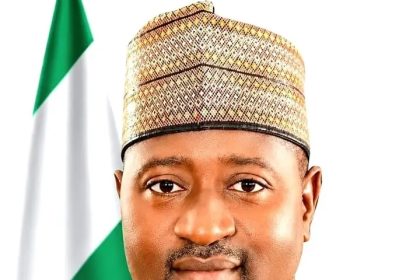
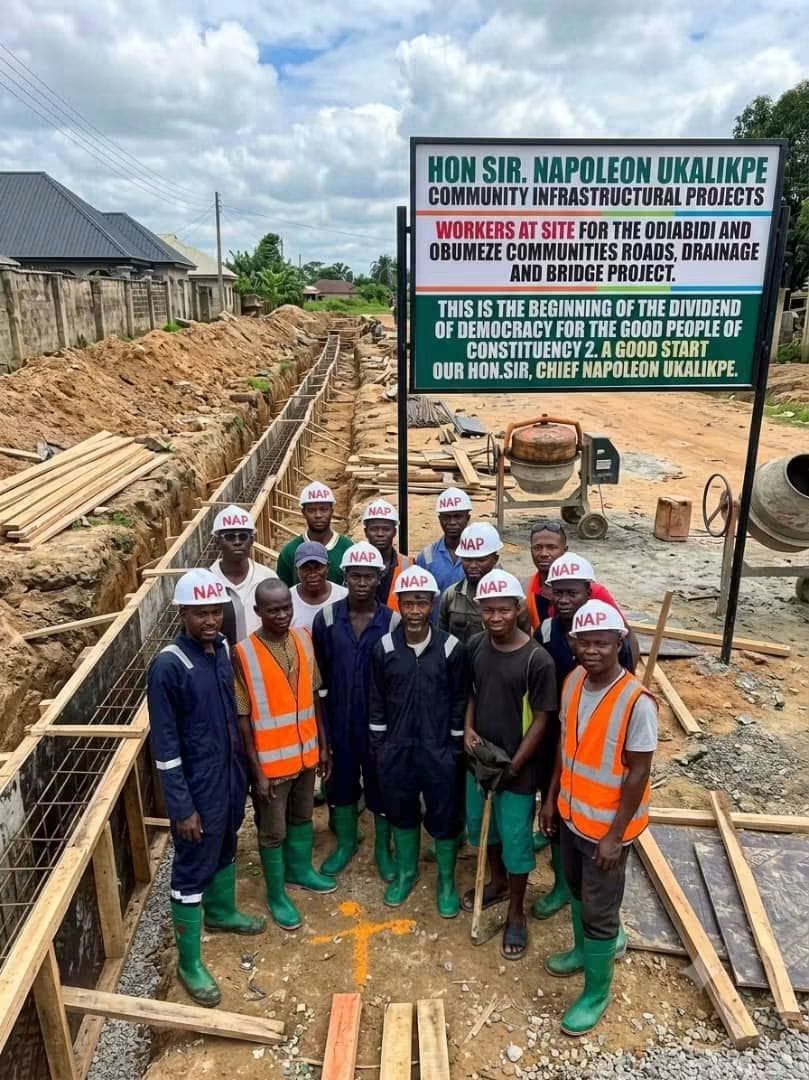
The people of Ahoada East Constituency II have witnessed a major boost in infrastructure development as Hon. Napoleon Ukalikpe, JP, member representing the constituency in the Rivers State House of Assembly, has flagged off construction of roads, bridges and drainage in Odiabidi and Obumeze communities.
The projects, which commenced with heavy-duty equipment and contractors already mobilized to site, are aimed at improving rural connectivity, tackling perennial flooding and opening up previously hard-to-reach agrarian communities.
The Odiabidi and Obumeze interventions are designed to address long-standing infrastructural challenges in the area.
When completed, the road and bridge components will ease movement between communities, facilitate evacuation of agricultural produce, enhance access to farmlands and link economic centres within the constituency.
The drainage component is considered critical in an area where seasonal flooding has continued to threaten homes, roads, businesses and livelihoods. With properly engineered drainage channels, the projects are expected to improve water flow, reduce flood impact and extend the lifespan of the roads.
Hon. Ukalikpe, who emerged from the February 2026 by-election, has moved swiftly to deliver dividends of democracy to his constituents.
The mobilization of contractors within five months of assuming office has been described by constituents as a demonstration of urgency, commitment and results-oriented representation beyond mere legislative duties.
Residents said the lawmaker has placed emphasis on projects that directly affect daily lives, particularly in rural communities.
For communities in Ahoada East Constituency II, improved infrastructure means more than concrete and steel. It means easier movement, improved access to farms, better economic opportunities and greater resilience against environmental challenges.
“The Odiabidi and Obumeze developments are just the baseline of what is to come,” a community source noted, as expectations rise for additional interventions across the constituency.
As work continues at the project sites, the message from the constituency is clear: representation must be seen, felt and measured by the people