
By Emma Perer
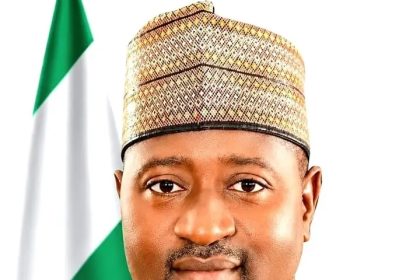
Nasarawa State Governor, Engr. Abdullahi Sule, has directed security and law enforcement agencies to intensify the fight against drug trafficking and substance abuse, warning that individuals who profit from the destruction of young lives will face the full weight of the law.
The governor made the declaration during a one-day sensitisation rally and town hall meeting organised by the National Drug Law Enforcement Agency (NDLEA), Zone 4, Lafia, at the Federal Secretariat in Nasarawa State.
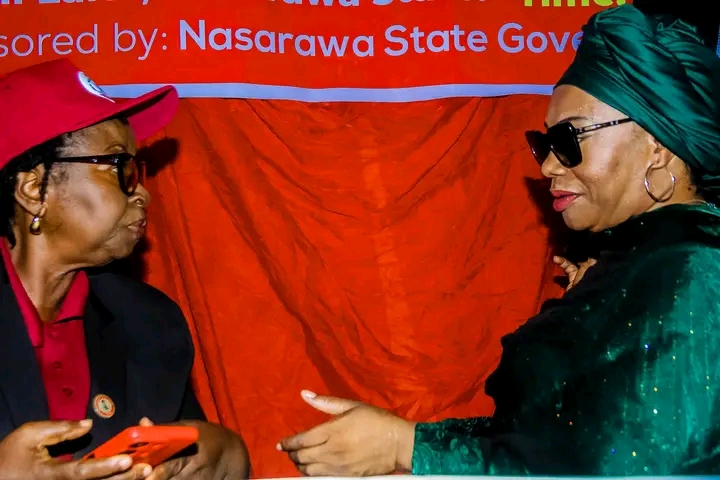
Represented at the event by the Chairperson of the Nasarawa State Commissioners Forum and Commissioner for Environment, Solid Minerals and Mining, Princess Dr. Margaret Itake Elayo, Governor Sule described drug abuse as a multidimensional challenge requiring collective action from government, security agencies, families, communities and other stakeholders.
According to a press statement issued by Ibrahim Abdul, Personal Assistant to the Honourable Commissioner on Media, the governor stressed that the consequences of substance abuse extend beyond crime and law enforcement, affecting public health, education, families, security and the overall development of society.
“Drug abuse is no longer an issue that can be confined to the pages of crime reports or treated solely as an enforcement matter. It is a public health concern, a family concern, an education concern, a security concern, and ultimately a development concern,” Sule said.
He noted that every young person lost to substance abuse represents a loss to society, as such individuals could otherwise have contributed as entrepreneurs, farmers, professionals, parents and future leaders.
The governor said his administration had continued to prioritise human capital development through investments in education, skills acquisition, entrepreneurship and youth empowerment, stressing that such efforts could be undermined if drug abuse was allowed to spread unchecked.
Sule therefore warned drug traffickers and dealers against using Nasarawa State as a base for their activities, declaring that the state would not provide protection or a safe haven for those engaged in the illicit trade.
He commended the NDLEA for its efforts in tackling drug abuse and trafficking in the state, while calling for stronger collaboration among security and law enforcement agencies.
The governor further advocated a comprehensive approach that combines prevention, enforcement, intelligence sharing, public enlightenment, treatment, rehabilitation and reintegration in addressing the growing challenge.
The sensitisation programme, held under the theme, “Act Now, Save Lives: A United Front Against Drug Abuse,” brought together heads of military and paramilitary formations, community-based organisations, youth coalitions and women’s groups.
Earlier, the NDLEA Zonal Commander, Zone 4, Mrs. Viashmah Bridget, said the sensitisation exercise was aimed at drawing greater public attention to the dangers of drug abuse and its damaging effects on families and communities.
Bridget expressed concern over the relationship between substance abuse and mental health challenges among young people, particularly those who come into contact with the correctional system.
She said the agency’s operational activities across Plateau, Benue and Nasarawa states between May 2025 and July 2026 demonstrated the scale of the drug problem confronting the region.
According to her, the NDLEA arrested more than 810 suspects for offences relating to the trafficking, distribution and retailing of illicit substances within the period under review.
She further disclosed that operatives seized more than 11,689.13 kilogrammes of illicit drugs and destroyed two cannabis farms during operations across the three states.
Bridget added that the agency had secured 455 convictions at the Federal High Courts in Jos, Makurdi and Lafia, while several other cases remained pending before the courts.
She urged stakeholders and members of the public to support the agency by providing useful information and participating actively in efforts aimed at preventing substance abuse, particularly among young people.
The event reinforced the need for a coordinated response involving government institutions, security agencies, traditional and community leaders, families, schools and civil society organisations to protect vulnerable Nigerians from the consequences of illicit drug use and trafficking.