

BY EMMA PETER, ABUJA
The Nigerian Upstream Petroleum Regulatory Commission (NUPRC) has recorded significant progress in efforts to expand Nigeria’s oil production capacity, approving 595 well re-entries, 145 new well-drilling operations and 39 Field Development Plans (FDPs) within the first 10 months of 2026.
The approvals, which are aimed at accelerating upstream activities, attracting fresh investments and strengthening the country’s energy security, were disclosed by the Commission Chief Executive, Mrs Oritsemeyiwa Eyesan, in Lagos on Tuesday, November 10, 2026.
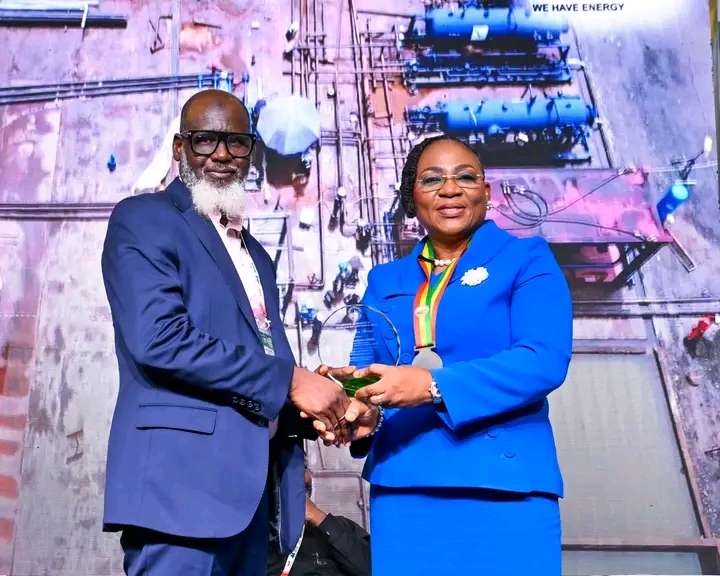
Eyesan made the disclosure during a management session at the 44th Annual International Conference and Exhibition of the Nigerian Association of Petroleum Explorationists (NAPE), held under the theme, “Energy Security in an Era of Global Disruption: Positioning Nigeria for Resilience, Competitiveness, and Prosperity.”
The NUPRC chief executive, who was represented at the event by the Deputy Director, Basinal Administration, Ahmad Abdullahi, said the approvals reflected the Commission’s commitment to ensuring that regulatory processes facilitate increased production and guarantee adequate energy supply.
Providing details of the Commission’s performance, Eyesan said, “Year to date, about 39 FDPs have been approved. About 145 new well-drilling approvals granted. Year to date, about 595 well re-entry approvals were granted.”
She explained that the growing number of approvals demonstrated improvements in the Commission’s regulatory efficiency, particularly in reducing the time required to process applications and eliminate unnecessary delays in project execution.
“That goes to tell that as a commission, we have improved our approval time level, which again reduces costs that are being wasted for projects to continue to wait for approval,” she stated.
According to her, timely regulatory approvals remain critical to achieving Nigeria’s production ambitions, as prolonged delays in approving development plans and drilling applications could affect investment decisions and the pace of upstream operations.
The Commission Chief Executive stressed that energy security must remain a priority in the country’s petroleum regulatory framework, noting that the approval of Field Development Plans and new drilling applications was essential to meeting production targets and ensuring energy availability.
“From the regulator’s perspective, to ensure that our energy security is not threatened, we must ensure that we approve Field Development Plans and new well-drilling applications to meet our production targets and guarantee energy availability,” she said.
Eyesan further disclosed that Nigeria’s total rig count had reached 100, with 46 rigs currently active, reflecting the level of ongoing drilling activities in the country’s upstream petroleum sector.
The latest figures underscore the Commission’s efforts to strengthen regulatory efficiency, encourage increased exploration and development activities, and position Nigeria to take advantage of emerging opportunities in the global energy market.