
BY EMMA PETER, ABUJA
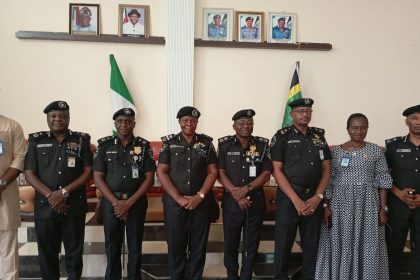
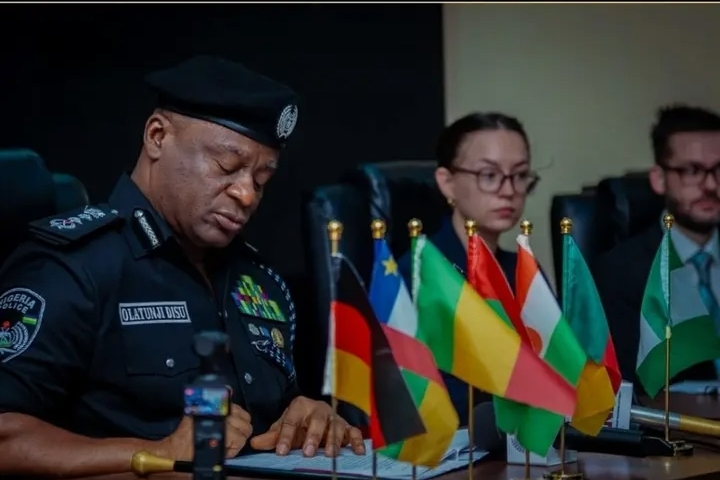
The Inspector-General of Police, IGP Olatunji Rilwan Disu, has reaffirmed the commitment of the Nigeria Police Force to tackling the proliferation of illicit small arms and light weapons, strengthening election security and deepening regional cooperation against transborder crime.
According to a press statement issued on Monday, October 12, 2026, by CSP Ani Iniedu, Force Public Relations Officer, Disu declared open the five-day Small Arms and Light Weapons Identification and Tracing (SALW-IT) Simulation Programme in Abuja, scheduled to run from October 12 to 16, 2026.
The programme is designed to strengthen participants’ capacity to identify, mark, register and trace small arms, light weapons and ammunition through technical instruction and practical exercises, including simulations at the Nigeria Police Simulation Centre.
Participants are drawn from 12 African countries, including Nigeria, Chad, the Central African Republic, Mali, Algeria, Côte d’Ivoire, Burkina Faso, Cameroon, Niger, Libya, Benin and the Republic of the Congo.
Speaking at the opening ceremony, the IGP described the proliferation of illicit arms as a major threat to peace and security across Africa, noting that it fuels terrorism, banditry, kidnapping and organised crime.
He explained that effective weapons identification and tracing would help law enforcement agencies uncover trafficking networks, identify financiers and expose supply routes, thereby enabling targeted action against illegal arms trafficking.
Disu also highlighted the importance of the training to preparations for Nigeria’s forthcoming elections, stressing that disrupting illicit arms supplies would help prevent electoral violence and intimidation while protecting voters and electoral personnel.
He noted that strengthening the capacity of security agencies to identify and trace illegal weapons would contribute to creating a safer environment for peaceful, free and fair elections.
The IGP further disclosed that the knowledge and skills acquired during the programme would be extended to officers across police commands and formations through structured training and knowledge-sharing initiatives.
According to him, the initiative would improve officers’ capacity to identify and recover illicit weapons, trace their sources, develop actionable intelligence and support routine policing and election-security operations.
He called for stronger cooperation among African countries through timely intelligence sharing, coordinated investigations and mutual legal assistance to track down and apprehend suspects involved in transborder crimes.
Disu emphasised that collaboration through established legal and institutional channels was essential to preventing criminal networks from exploiting national borders to evade arrest and prosecution.
He also stated that Inspectors-General of Police from West and East African countries would convene to deliberate on crime-related challenges and develop strategies for addressing transborder criminal activities.
The proposed deliberations, he said, would strengthen coordinated responses to common security threats confronting countries across the two subregions.
The police chief commended the African Union Mechanism for Police Cooperation (AFRIPOL), the Bonn International Centre for Conflict Studies (BICC), INTERPOL, relevant African Union entities and experts from the German Armed Forces Verification Centre for supporting the programme.
He urged participants to share operational experiences, establish lasting professional relationships and apply the knowledge gained to improve security operations in their respective countries.
Disu reaffirmed the commitment of the Nigeria Police Force to regional and continental efforts to control illicit arms, pledging sustained institutional support and operational cooperation to ensure that the training translates into improved public safety and election security.